February 9, 2026
In this Community Hub feature, we speak to Diane, founder of Super Hounds, about positive dog training and the vital work of the Lost Dog Tracking Network Surrey. Based across South West London and Surrey, Diane supports owners from Wandsworth and Wimbledon to Cobham and Esher, and recently helped reunite a much-loved dog with a member of the Grantley team after five days missing.
What inspired you to start Super Hounds, and what do you love most about working with dogs and their owners?
Super Hounds came from a desire to do things properly and kindly. I’d spent years working with dogs in different settings and kept seeing the same pattern: dogs being labelled as “naughty” or “stubborn” when really they were confused, overwhelmed, or simply not being understood. I wanted to create a business that focused on the whole dog - their emotions, instincts, and individual needs and just as importantly, supported the people at the other end of the lead.
What I love most is the moment when things click for an owner. When they stop feeling frustrated or helpless and start to really see their dog differently. Training isn’t about control, it’s about connection and helping people build that relationship is incredibly rewarding.
Your training is rooted in positive, reward-based methods. Why is that approach so important to you, and what difference does it make to dogs?
Reward-based training is important to me because it’s fair, ethical, and effective. Dogs learn best when they feel safe, motivated, and confident. When we rely on fear or punishment, we might suppress behaviour in the short term, but we don’t address the underlying emotion driving it and that often leads to bigger problems later on.
Using positive methods allows dogs to make good choices willingly. It builds trust rather than compliance, and that trust shows up everywhere: better recall, improved focus, and dogs who feel secure enough to cope with the world around them.
You offer everything from puppy training to specialist activities like mantrailing. How do these sessions benefit dogs beyond basic obedience?
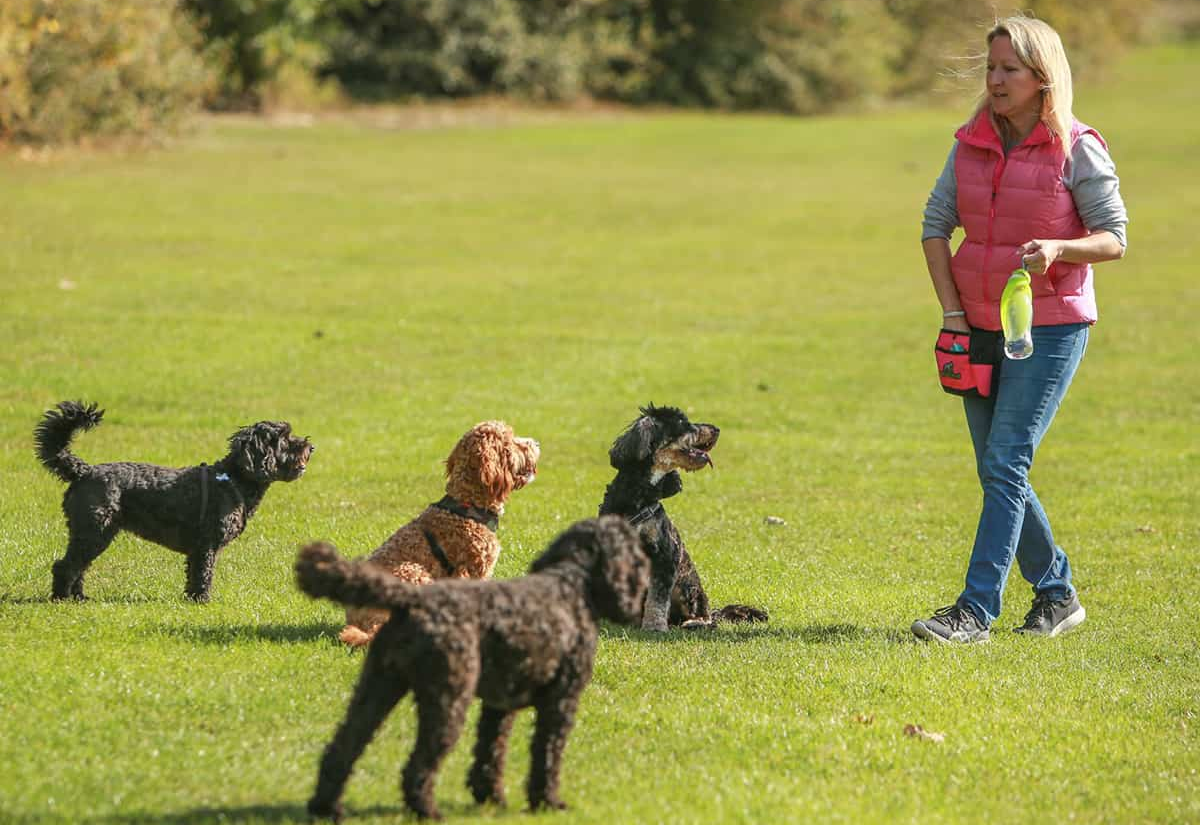
Basic obedience is only a small part of what dogs need. Activities like mantrailing, scent work, and structured enrichment tap into a dog’s natural instincts, particularly their sense of smell, which is how they primarily experience the world.
These sessions provide mental stimulation, confidence building, emotional regulation, and an appropriate outlet for energy. For anxious dogs, it can be hugely grounding. For high-drive dogs, it gives them a job to do. And for pet dogs who may never “work” in a traditional sense, it offers fulfilment and purpose that goes far beyond sit, stay, and heel.
Alongside Super Hounds, you also run the Lost Dog Tracking Network Surrey. How did that charity come about, and what does the work involve?
The Lost Dog Tracking Network Surrey grew out of both professional training and personal experience. Once you’ve seen what fear does to a lost dog - how their behaviour changes, how quickly they can move, and how hard they are to predict, you realise that traditional searching often isn’t enough.
Our charity is made up of trained handlers and dogs who specialise in tracking and trailing. Our work involves assessing the dog’s likely mindset, analysing sightings and deploying a tracking team. We also provide guidance to owners, because what happens in the first 24–48 hours can significantly affect the outcome.
Recently, you helped Mark Blakeway from Grantley locate his dog Rufus after he’d been missing for five days. How did you first get involved in that search, and what were the key challenges?
I became involved once it was clear that Rufus wasn’t simply hiding nearby and that time and environmental factors were starting to work against him. After several days missing, dogs are often in survival mode, travelling further, avoiding people, and moving at times when they’re less likely to be seen.
One of the biggest challenges was separating helpful information from well-meaning but misleading sightings. Using tracking data, behavioural profiling, and our tracking dogs we were able to narrow down likely movement routes and areas of interest. That structured, evidence-based approach is what ultimately helped bring Rufus home safely.
For any dog owner facing the fear of a missing pet, what advice would you give and when should they reach out to a tracking service?
First and foremost: don’t panic, but do act quickly. A missing dog isn’t behaving like your dog at home. Fear changes everything. Avoid chasing, calling repeatedly, or flooding areas with people too soon, as this can push a dog further away.
Reach out for specialist help as early as possible, especially if your dog is anxious, a rescue, or has bolted after a scare. Tracking services aren’t just about finding dogs, they’re about making informed decisions that increase the chances of a safe recovery. The sooner that support is in place, the better the outcome is likely to be.
https://www.lostdogtrackingnetworksurrey.co.uk/